
Explore how chargers and charging cables support a practical B2B supply chain strategy, from EV and battery systems to everyday device charging needs.
For B2B buyers, a charging product is never just a charging product. It is part of a larger supply chain decision that affects compatibility, durability, packaging efficiency, and after-sales expectations. The strongest sourcing strategy is usually not about choosing one item, but about balancing high-power systems with everyday charging accessories that fit different market channels.
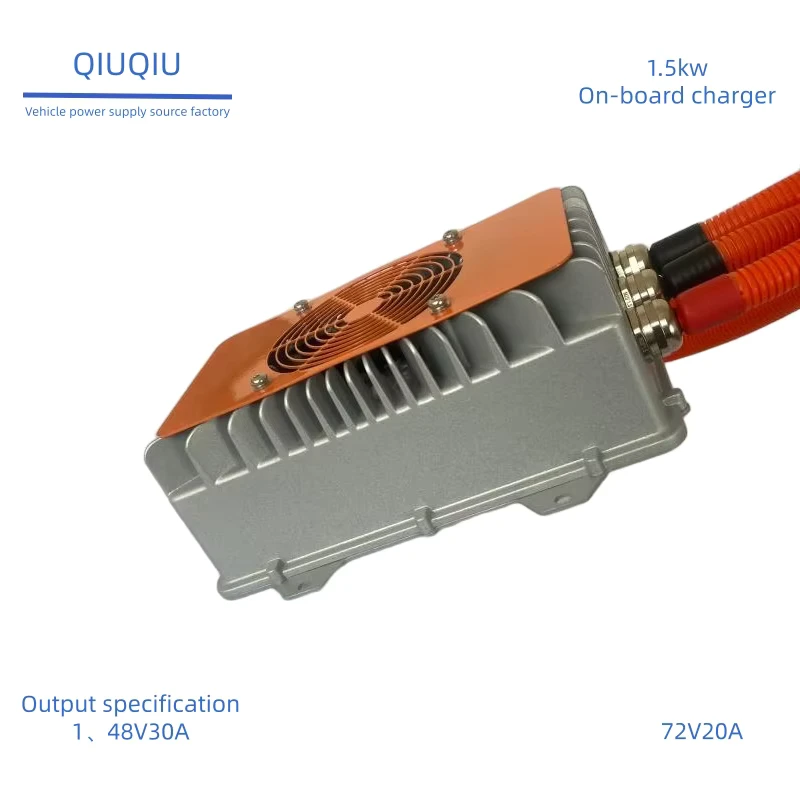
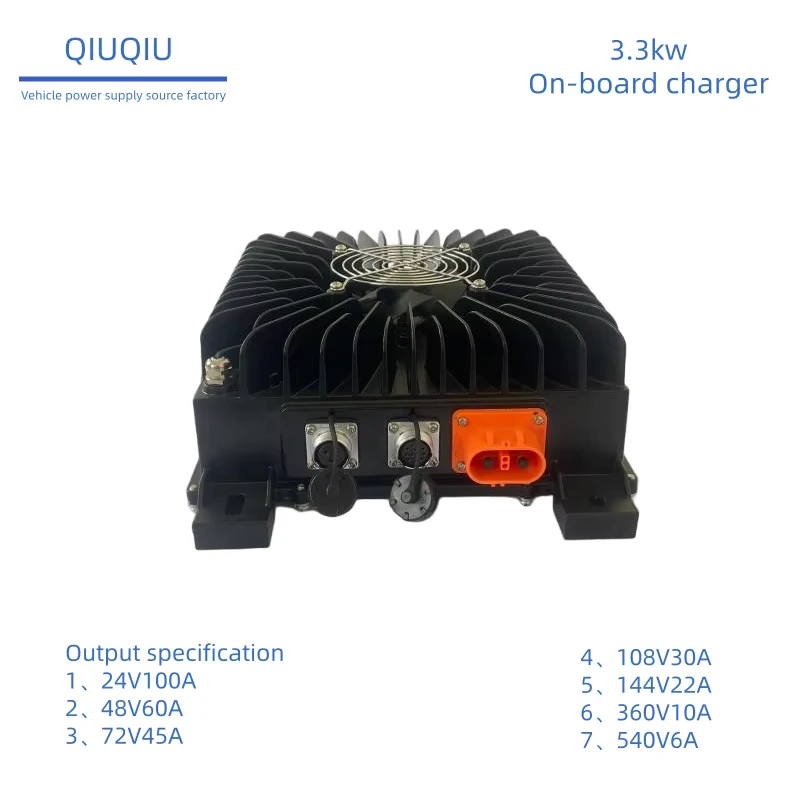
At the industrial end, an IP67 power charger is built for demanding environments where stable output, broad AC input support, and protection features matter more than anything else. Buyers serving electric mobility, battery service, or special equipment markets often look for this kind of unit because it helps simplify multi-voltage sourcing without sacrificing reliability.
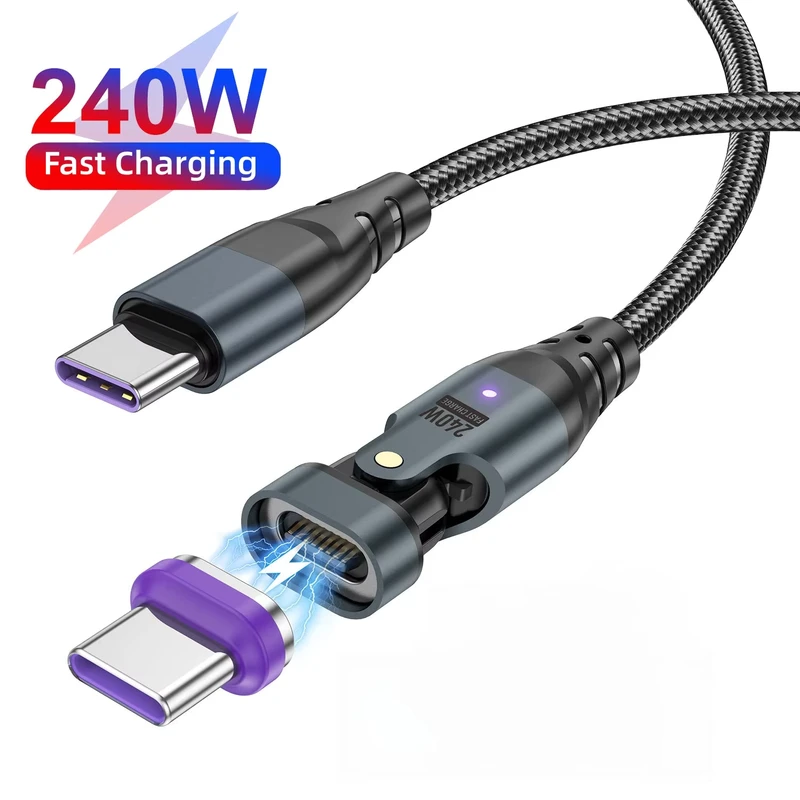
At the same time, fast-moving retail and distribution channels still need practical cable products that are easy to stock and easy to sell. A 3-in-1 cable or a fast data cable can serve different device types with less SKU complexity. That flexibility is especially useful for importers and wholesalers managing mixed customer demand across mobile accessories, spare parts, and promotional bundles.
Why product mix matters
The most effective procurement plans usually combine heavy-duty charging hardware with compact consumer accessories. This helps brands and distributors cover both long-cycle industrial demand and faster-turnover accessory sales. It also creates a more resilient catalog, since one product line can support technical buyers while another supports volume-driven channels.
For companies expanding their portfolio, the battery charger range and the charging cable range can be evaluated together instead of separately. That simple shift often leads to better sourcing decisions, cleaner inventory planning, and a more complete offer for end customers.
If you are building a charging product lineup for wholesale, import, or private label programs, it helps to start with dependable core items and then expand around them. That is usually where sourcing becomes easier and the commercial case becomes stronger. When you are ready to discuss options, a direct inquiry is the fastest way to move forward.